
October 2, 2025
The Rise of “Instant Culture”! How Speed is Changing Digital Entertainment
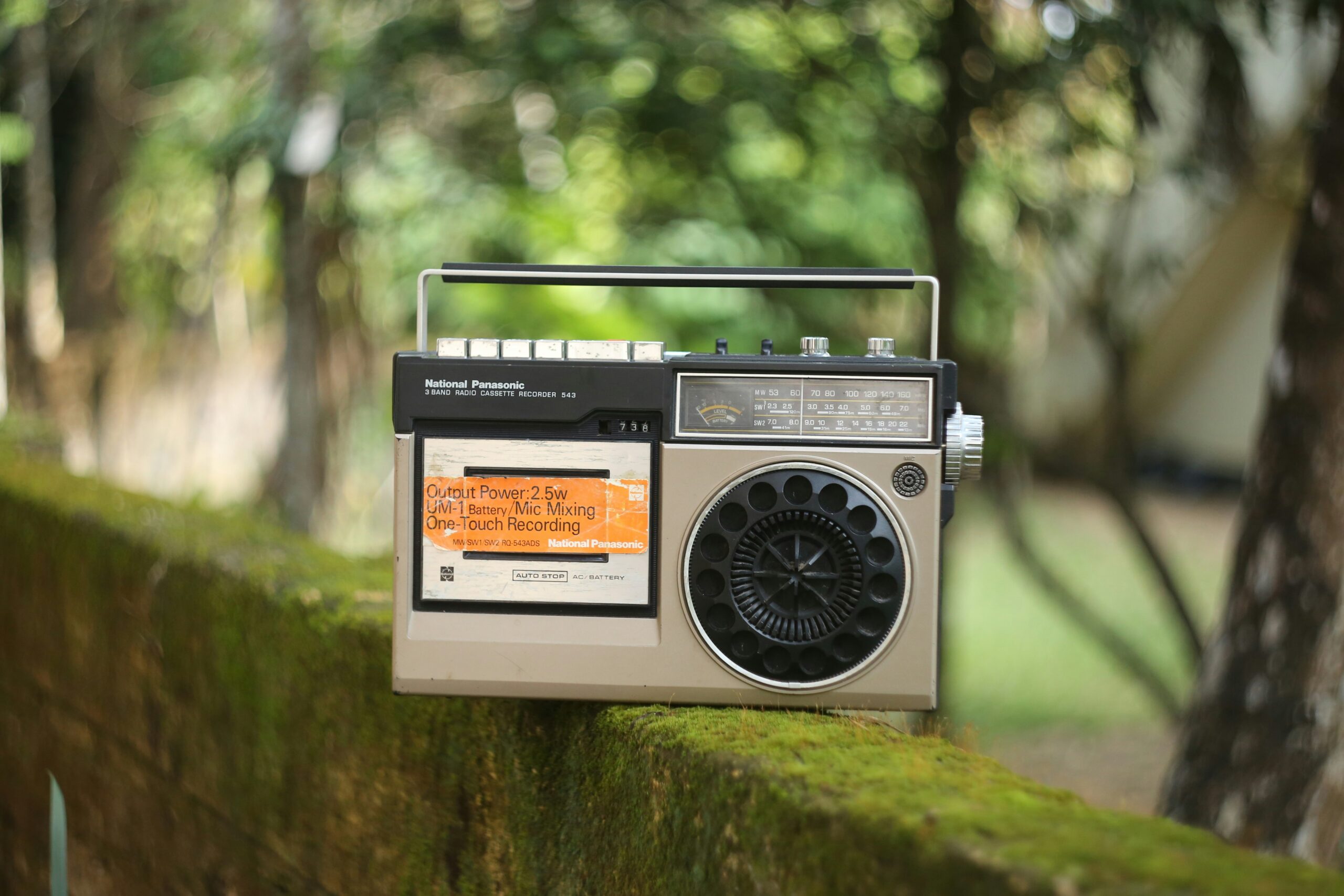
We want it all and we want it now. If a site takes five seconds to load, we close it. Instant noodles must be made under three minutes, and movie sequels should be spaced in as little time as humanly possible. Explaining entire cultures in one TikTok reel is the norm, and we even have BookTok for entire books. But do people really have less time for culture, or is this another trend?
The urgency of instant culture
This culture of immediacy affects how stories are told, how interfaces are designed, and how creators plan distribution. The secret isn’t only technology, it’s psychology — we grow ever more accustomed to frictionless access. The “instant” becomes a baseline expectation. News needs headlines that grip or lose readers. All info must be condensed so as not to waste users’ time. If we read online, we want to know everything before the article is done.
Instant games, cloud play, micro‑experiences
Gaming has become one of the clearest frontiers for instant culture. Cloud streaming means you no longer need to download huge files; you can start playing in seconds. Some so‑called “instant games” run in-browser with near-zero load time, spreading via social platforms, messaging apps, or embed links. When we play, we want results and payouts the moment we are done. Online sites must provide instant access. The same goes for digital casinos, their games, and payouts.
Everything related to gaming must be made available without delay. Updates, features, news, leaderboard, everything has to be front, center, and now. The same situation is in iGaming – both supply and demand are pretty high in the world of online casinos. Players, who are perhaps even more eager to get their gratification fast, have many options at their disposal. Esports News’ gambling analyst Matteo Farina has scanned online casinos that let users fund their accounts quickly and make fast withdrawals. And such examples are setting the norm of what users expect. Momentary access, less hustle, and fast results.
From linear schedules to on‑demand everything
Broadcast media once reigned by schedule: radio shows aired at fixed hours, and television episodes appeared on certain nights. Audiences adapted their lives around the schedule. With digital distribution, that inversion collapses. Now content must bend around the user’s time, not the other way. New products found their niche, and Internet radios are still a thing, thriving quietly in the background.
In this new model, the radio still plays a role. Many radio stations offer live streams and on‑demand segments, podcasts of talk shows, or flash clips of music breaks. A listener can flick through past interviews or music sets hours later rather than be bound by the broadcast clock. Radio thus becomes part of a broader instant system, a link between tradition and this new speed culture.
Algorithms, attention, and the frictionless experience
One key driver is algorithmic design. Platforms parse your tastes, habits, session length, and time of day — they aim to reduce friction in content discovery. Instead of forcing you to browse, they serve up what you may want almost preemptively. When you finish a video, the next one loads. When you pause, a curated playlist whispers suggestions. That kind of design anticipates your impulse before it even solidifies.
We see this in radio too: smart radio apps now predict what tracks will keep you engaged, blend music styles, even insert spoken word or news segments tailored to your moment of day. The radio industry is adapting to this instant logic, not fighting it.
Streaming’s value in a high-speed age
With high-speed Internet comes multimedia content, aka streaming. Do you wish to see other cultures live? There’s probably a streamer walking through Japan’s temples and streaming it. Do you wish to see a carnival in Rio in full 4k digital glory? Now it’s possible. From sounds to pictures, high-speed Internet has brought the world even closer, where a user can channel through any part of the world with a click.
Secondly, streaming brings insight. Listening to the news of any country can give one side of the story or provide just one aspect of the bigger picture. But when you see live streams from the ground and streets, that brings a whole different meaning to things. Stepping away from mass media to streams allows viewers to form their own opinion through the lenses of streamers showing events, places and cultures for what they are. There is no filter, preparation or script. Only raw, direct, and unbiased footage. And it found its foothold with viewers looking for the next real thing.
Legacy media, reinvention, and hybrid models
Traditional media outlets must evolve. Some broadcasters now release “chapters” of their radio shows on demand. Others integrate live streaming and digital archives side by side. Musicians release surprise drops, ultra-short clips, teaser loops. Producers develop formats native to short digital attention windows while preserving narrative heft. And some make headlines, like how Global unveiled their biggest launch yet a year ago, bringing fresh energy into the industry.
A radio station might broadcast its morning show live but also cut out segments to publish as bite-sized podcasts. That hybrid respects both the live immediacy and the on-demand instinct. It works because listeners shift contexts: commuting, exercising, working, relaxing. Instant culture demands that the media be ready in all those moments.
Subtle backlash and the yearning for slowness
Amid this acceleration, people sometimes resist. Some turn off autoplay, schedule time without screens, and return to long‑form reading or deep listening. In the rush, there is nostalgia for the slow, attentive, undistracted experience. That tension—between speed and pause—is part of the landscape. Yet even that backlash reinforces the dynamic. To offer slowness in an instant world feels like a gesture. It becomes a curated contrast.
Nuanced implications for creators
You must respect the speed imperative and build infrastructure accordingly. But you also must preserve space for depth, surprise, and texture. Many creators err by stretching everything to speed and losing character.
Good design now means layering: immediate access at entry, lighter modes for casual engagement, deeper layers for committed users. For instance, a music service might let novices skip freely, but unlock deeper collections for those who linger. Radio can mirror that: live broadcasts, plus snippets, plus archives, plus listener‑curated paths.