
December 19, 2025
The Psychology of Sound Design in Online Entertainment
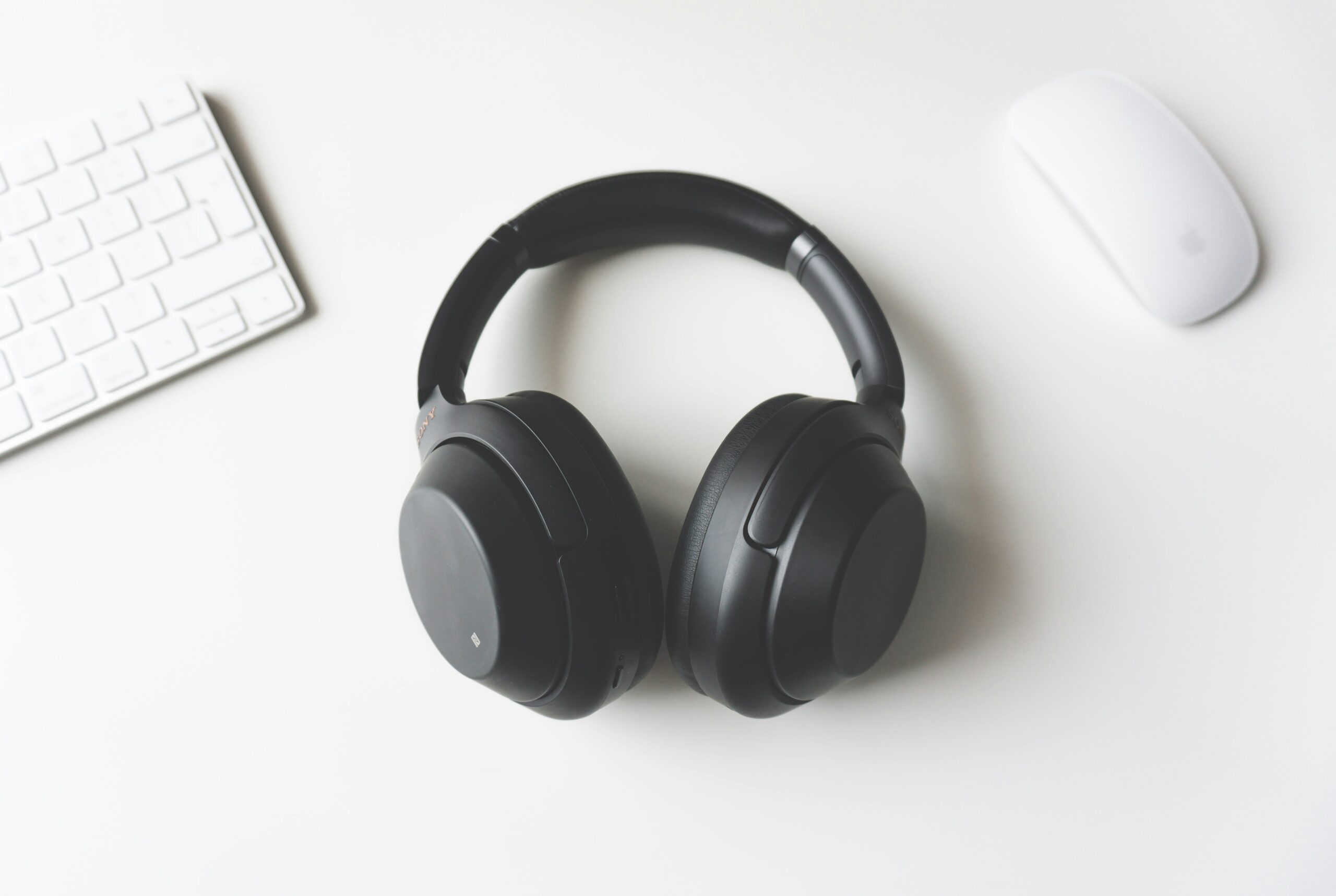
Sound design plays a far bigger role in online entertainment than most users consciously realise. Visuals tend to dominate discussions around user experience. However, audio often operates in the background, shaping emotional response, guiding attention, and influencing behaviour.
From streaming platforms to interactive games, sound has become a core psychological tool rather than a decorative afterthought.
Why Sound Is Central to User Engagement
At a foundational level, sound helps users make sense of digital environments. Audio cues provide instant feedback, signal progress, and create rhythm within an experience. A subtle chime can confirm a completed action, while a rising tone can build anticipation before a reveal or result.
Psychologically, these cues tap into reward systems linked to dopamine release. Well-timed audio reinforces actions and encourages continued interaction, often without users consciously noticing the influence.
This is why sound design is carefully tuned across everything from mobile games to interactive platforms, where timing, pacing, and emotional response matter.
In high-attention online environments, users also value autonomy and informed choice. Some actively seek platforms that align better with their preferences and usage habits, whether that relates to content, controls, or accessibility.
In regulated digital environments, engagement is shaped not only by design choices but also by how much freedom users feel they have when navigating a platform. When access rules and limitations differ, users often begin comparing options based on structure and transparency rather than surface features alone.
For example, some online casino players look to find alternatives beyond Gamstop restrictions that provide them with more autonomy and flexibility. This highlights how choice and awareness shape engagement in regulated digital spaces.
Behavioural Feedback Loops and Audio Triggers
One of the most effective uses of sound in online entertainment is the creation of feedback loops. These loops reinforce behaviour by pairing actions with consistent audio responses. A positive sound following an interaction signals success. On the other hand, softer or neutral tones can soften the impact of negative outcomes.
Designers also use sound to manage frustration. Near-miss audio, for instance, is engineered to maintain engagement even when outcomes aren’t favourable. The goal isn’t simply to reward, but to sustain emotional balance and prevent abrupt disengagement.
Over time, these patterns contribute to habit formation. Users begin to associate specific sounds with progress, success, or anticipation. This makes audio a key driver of session length and return frequency.
Immersion, Presence, and Perceived Control
Immersion depends heavily on sound. Ambient noise, spatial audio, and layered effects create a sense of presence that visuals alone can’t achieve. Background audio can make environments feel alive, while directional sound helps users feel oriented within a digital space.
Sound also contributes to perceived control. Responsive audio that reacts immediately to user input reinforces the feeling that actions matter. Even minor delays (latency) can break immersion and reduce trust in the experience.
As adaptive sound systems become more common, audio increasingly responds dynamically to behaviour, adjusting intensity or tone based on user actions. This responsiveness strengthens engagement by making experiences feel personalised and reactive.
Sound Design in Regulated Digital Platforms
In regulated online environments, sound design must strike a careful balance. While engagement remains important, platforms also face expectations around transparency and responsible design.
Audio cues in these contexts tend to be more restrained, focusing on clarity and consistency rather than overstimulation.
Sound still plays a role in guiding users, but it’s often designed to inform rather than push behaviour. Clear notifications, neutral feedback tones, and predictable audio patterns help maintain trust while supporting usability.
This highlights a broader trend across online entertainment. Namely, that sound isn’t just about excitement, but about communication, reassurance, and control.
Ethical Boundaries in Audio-Driven Design
As sound becomes more sophisticated, ethical questions have started to arise. This is partly because audio can influence emotional states, decision-making, and time perception, raising concerns about persuasive design.
Designers and platform owners increasingly face scrutiny over how these tools are used. So, many developers are now implementing ethical sound design that:
- Prioritises user awareness
- Avoids exploitative patterns
- Supports informed interaction rather than compulsion
The debate mirrors wider discussions about UX and behavioural psychology, where responsibility is becoming an important innovation.
The Future of Sound in Online Entertainment
Looking ahead, sound design is set to become even more personalised. Advances in AI and real-time processing are enabling adaptive soundscapes that respond to user behaviour, preferences, and even emotional cues.
Rather than static audio assets, future platforms may feature sound that evolves throughout a session. This would reinforce immersion while adjusting intensity to avoid fatigue. As experiences become more interactive and multi-sensory, sound will continue to move closer to the centre of digital design strategy.