
April 24, 2026
K-Pop’s Coachella Dream: Festival revolution or big four power play?

Somewhere in a Seoul boardroom, four of K-pop’s biggest powerhouses looked at the global festival scene and thought, “we can do that… but bigger.” So now HYBE, YG, JYP and SM are teaming up to build what is essentially their own Coachella-style mega festival, aiming for a 2028 summer launch. On paper, it sounds like a fan’s dream. Imagine a single lineup featuring BTS, Stray Kids, EXO, Aespa, Itzy, Tomorrow X Together, maybe even Blackpink if contracts align. It’s the kind of bill that would melt ticketing servers in seconds.
But once the initial excitement settles, a slightly awkward question starts to hover in the air. Is this really a celebration of Korean music, or just a very expensive showcase for the same four companies?
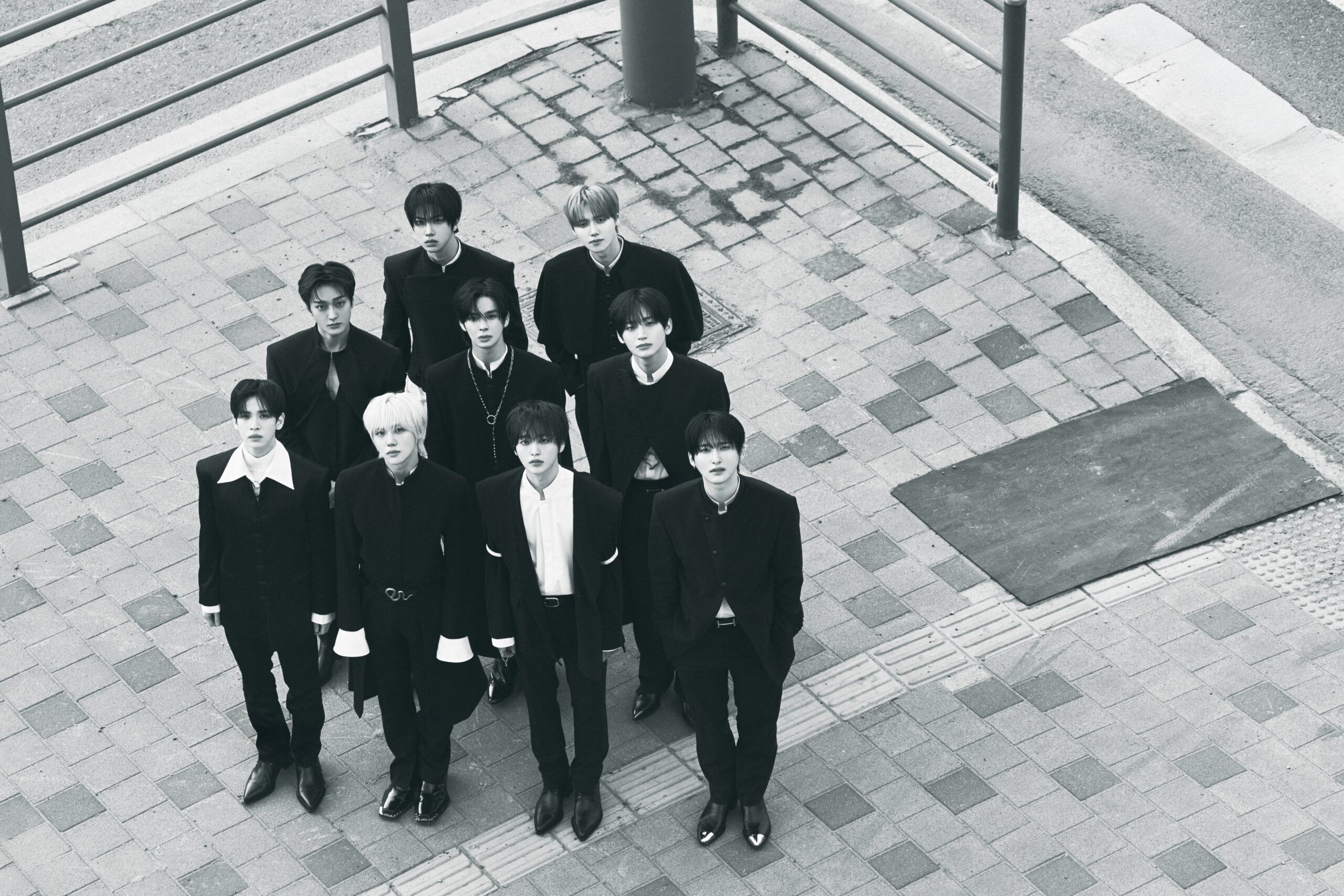
Cravity of Starship Entertainment
K-pop’s global rise didn’t come from just four labels. It came from a sprawling, chaotic, wildly creative ecosystem. Acts like Ateez, I-DLE, P1Harmony, Monsta X, Xikers, and IVE have all carved out serious international followings without being under the “big four” umbrella. Any festival claiming to represent the full spectrum of Korean music would feel incomplete without them. Otherwise, it risks becoming less “Korea’s Coachella” and more “Big Four World Tour: The Weekend Edition.”
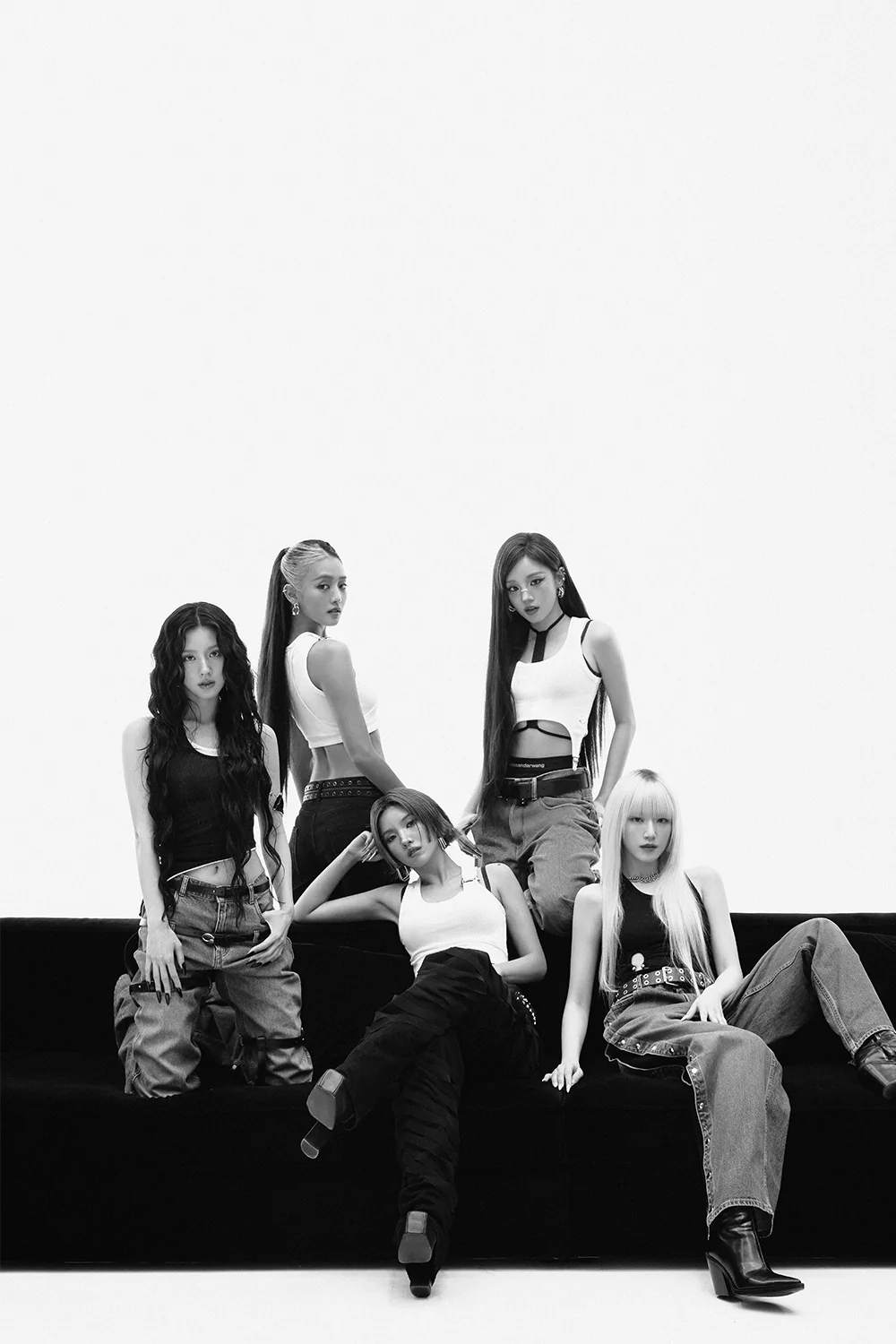
I-DLE on Cube Entertainment
There’s an easy fix, at least in theory. Hand programming duties to an independent curator with real authority. Let them build a lineup that reflects the entire industry, not just the shareholders. Whether the labels would actually give up that control is another story entirely.
Then there’s the bigger question: does Korea even need this? Between Waterbomb, Busan One Asia Festival and Dream Concert, the country already knows how to throw large-scale, multi-artist events. These festivals may not have the same Western brand recognition as Coachella, but they deliver exactly what fans want, packed line-ups and high-energy performances.
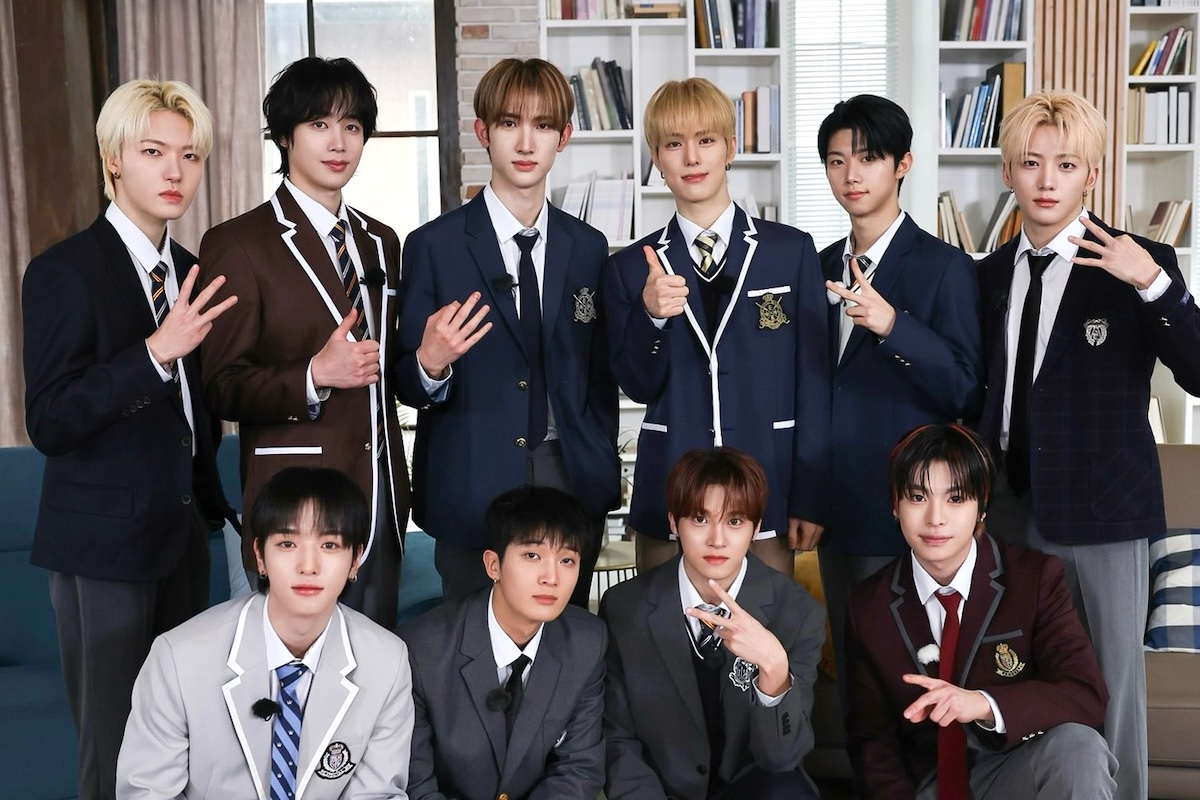
Xikers on KQ Entertainment
So what’s really driving this new project? Part of it is almost certainly business. A unified festival creates a massive new revenue stream, not just from tickets, but from sponsorships, streaming rights and tourism. Part of it is branding, a chance to package K-pop as a premium global festival experience rather than a collection of separate concerts. And yes, there’s probably a touch of ego involved too. When you dominate an industry, the next step is building your own stage for the world to watch.
Whether it becomes a genuine cultural showcase or just a polished industry flex will depend entirely on who gets invited to that stage.
Written by DJ Sam Soju
Listen to KpopwithSam every Week on Monday
6pm London on Hoxton Radio
1pm New York on The Face Radio
Follow on TikTok – KpopwithSam
Listen Kpop DJ Mixes on Mixcloud